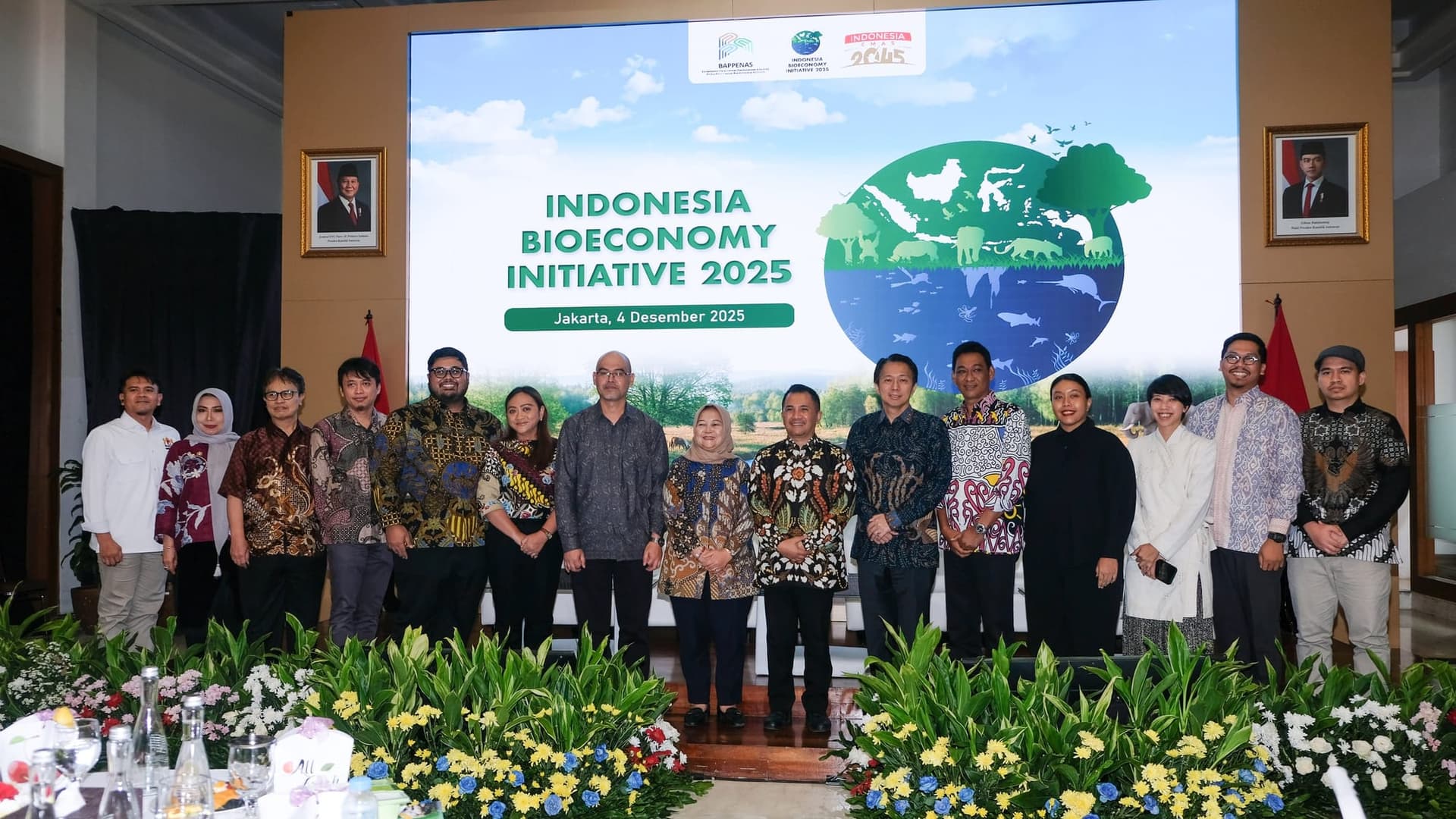
Join us in Jakarta for the Indonesia Bioeconomy Initiative Annual Summit 2026, a gathering to explore Indonesia’s responsible bioeconomy pathway and connect it with global experience and partnership.
These values subsequently form the characteristics of Indonesia’s bioeconomy, reflecting the direction of Indonesia’s bioeconomy development objectives that distinguishes it from other economic development frameworks.
01 / Higher value-added
Creation of higher value-added
Value-added in Indonesia’s bioeconomy refers to the improvement in the quality and economic value of biological products through processing that yields products with higher economic value, as well as the fair distribution of benefits within the value chain.
02 / Technology & innovation
Deployment of technology and innovation
The use of technology and innovation in the development of bioeconomy products, including the utilization of traditional knowledge and the recognition of intellectual property rights.
03 / Well-being
Promotion of enhanced well-being
Improving well-being in the economic, social, and overall spheres, where communities can actively participate in an inclusive bioeconomy — not only as workers but also as key actors in bioeconomic enterprises.
From upstream to downstream. One connected value chain.
A bioeconomy approach through the value chain. Policy formulation in the bioeconomy must take a holistic view of issues from upstream to downstream.
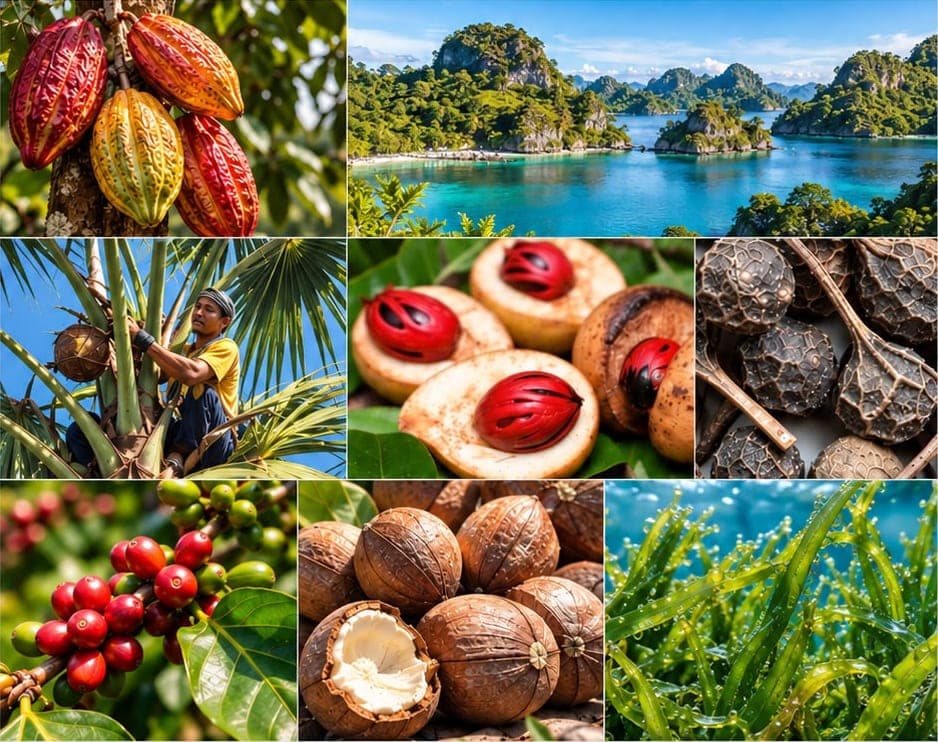
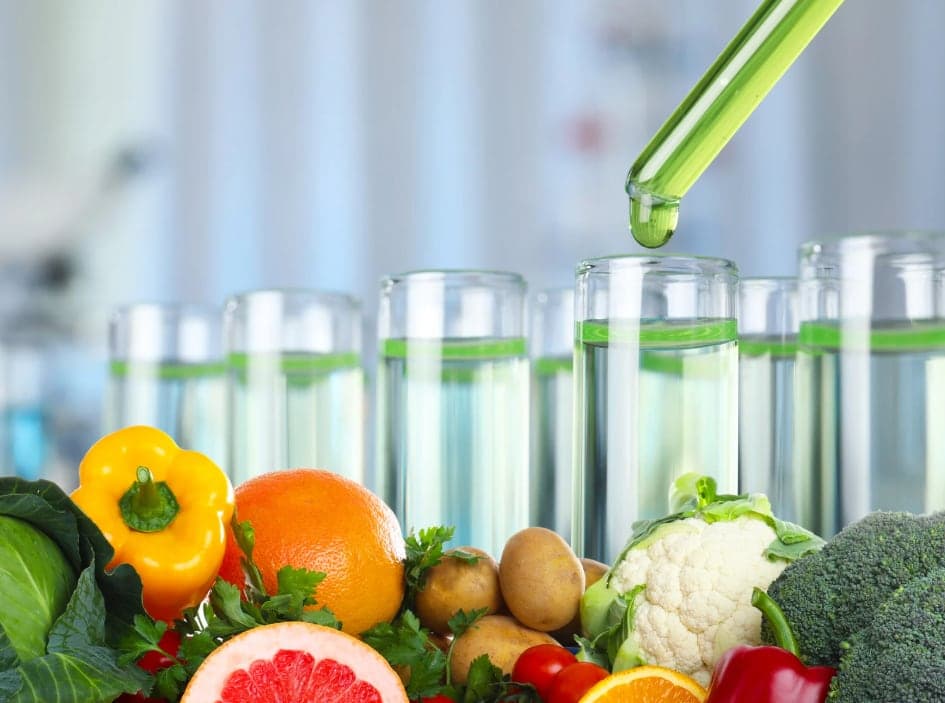
01BioprospectingDiscovering superior domestic varieties and species
02Production & post-harvestQuality, quantity and marketability of harvests
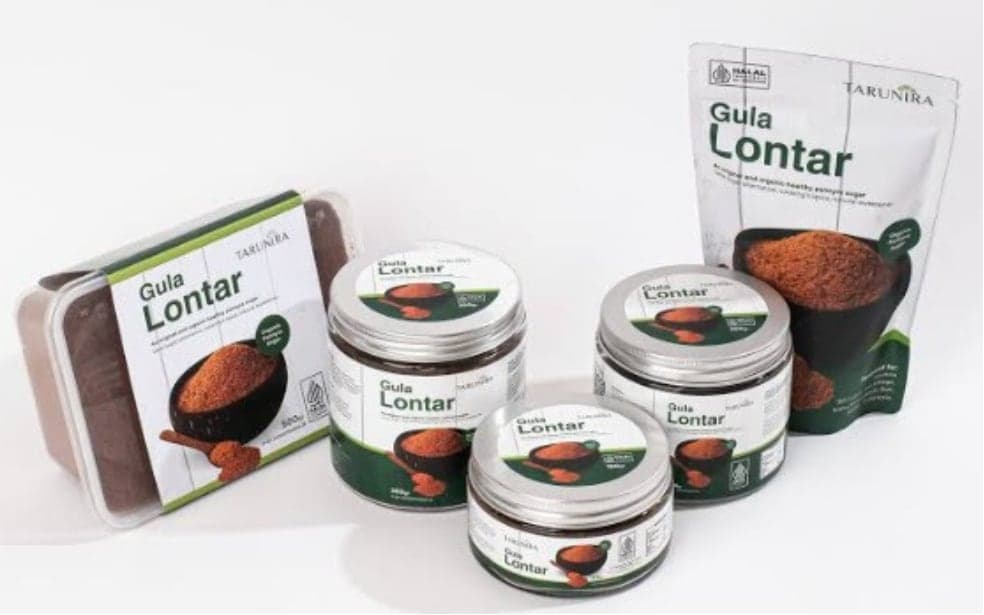
03ProcessingNew processed products and by-products
04Logistics & warehousingKeeping quality and safety intact
05Marketing & commercialisationMarkets for quality bio-based products
Emphasis on the role of local communities
Indonesia’s bioeconomy is committed to preserving the role of community groups and local communities so they can participate and ensure they receive fair benefits.
Direct managers of biological resources — social forestry, agroforestry, small-scale fishers, family farmers and biodiversity-based micro-enterprises.
02
Community Groups as Industrial Partners
Equal partners in the supply chain, as raw-material suppliers or service providers, with transparent and fair benefit-sharing.
03
Community Groups as Ecosystem Stewards
Front-line guardians of biodiversity, supported by legal certainty over land access and innovative conservation finance.
National Development Alignment
The Bioeconomy in the RPJMN 2025–2029.
The Bioeconomy in the 2025–2029 National Medium-Term Development Plan (RPJMN).
PN2National priority
Strengthening the national defense and security system and promoting national self-reliance through self-sufficiency in food, energy, and water, as well as through the Islamic economy, the digital economy, the green economy, and the blue economy
PPPriority programme
Sustainable Forest Management
KPPriority activity
Development of forest bioeconomy products through agroforestry
ProPPriority project
Development of Agroforestry-Based Bioeconomy Pilot Projects
Bioeconomy in Practice
Indonesia’s five priority clusters.
Two high value-added clusters (cosmetics and health), two that meet basic human needs (energy and food), and one that safeguards the biodiversity on which the whole bioeconomy depends — environmental services.
01
Cluster 01
Food
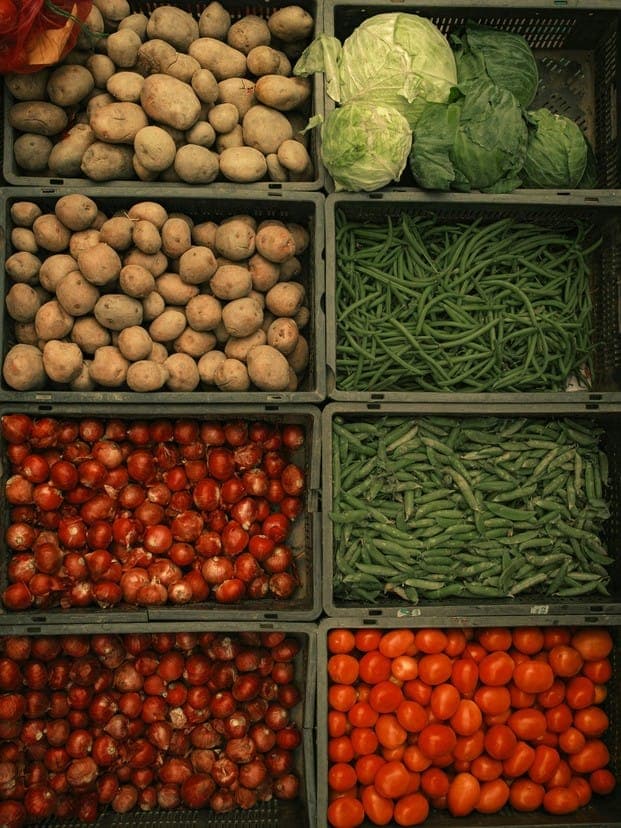
Sustainable agriculture, fisheries and food
01Functional and local food
02Downstreaming of agricultural, forestry and fisheries products
03Sustainable fisheries and aquaculture
04Utilisation of biological residues
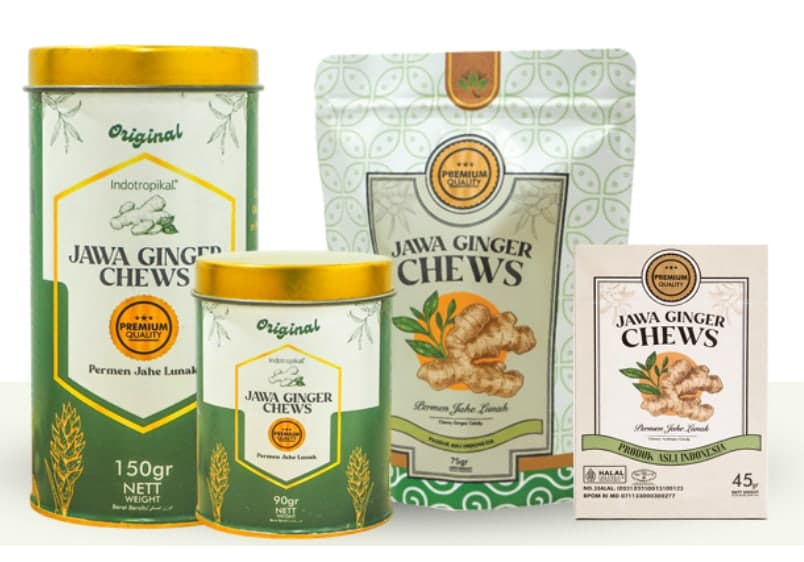
Product examples
02
Cluster 02
Energy
Bioenergy and bio-based fuels
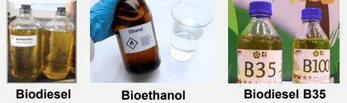
01Biofuel: bioethanol, biodiesel, SAF
02Biogas and biomethane
03Biomass and bioenergy from agricultural, forestry and urban waste
04Bio-based fuels and chemicals
Product examples
03
Cluster 03
Medicine
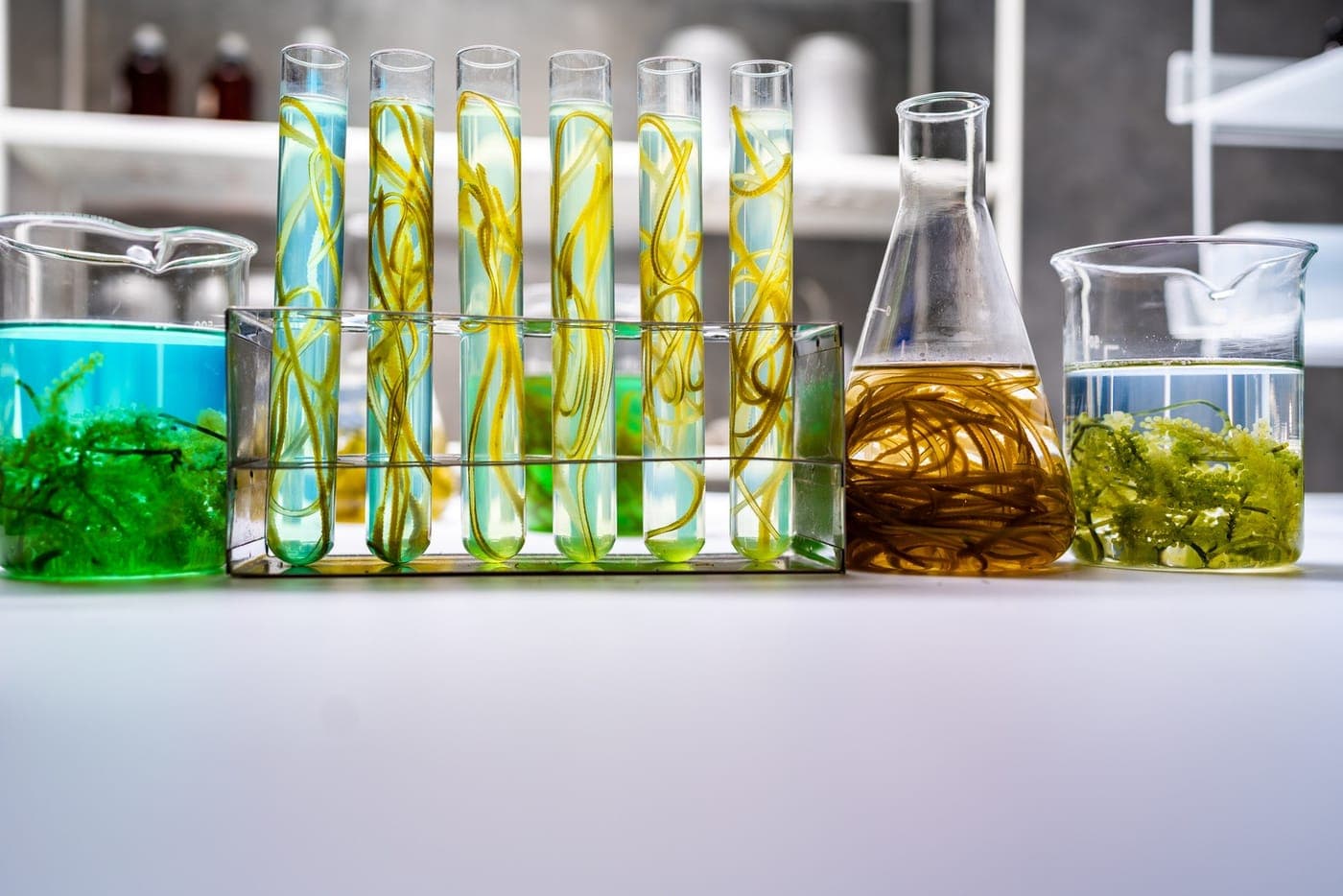
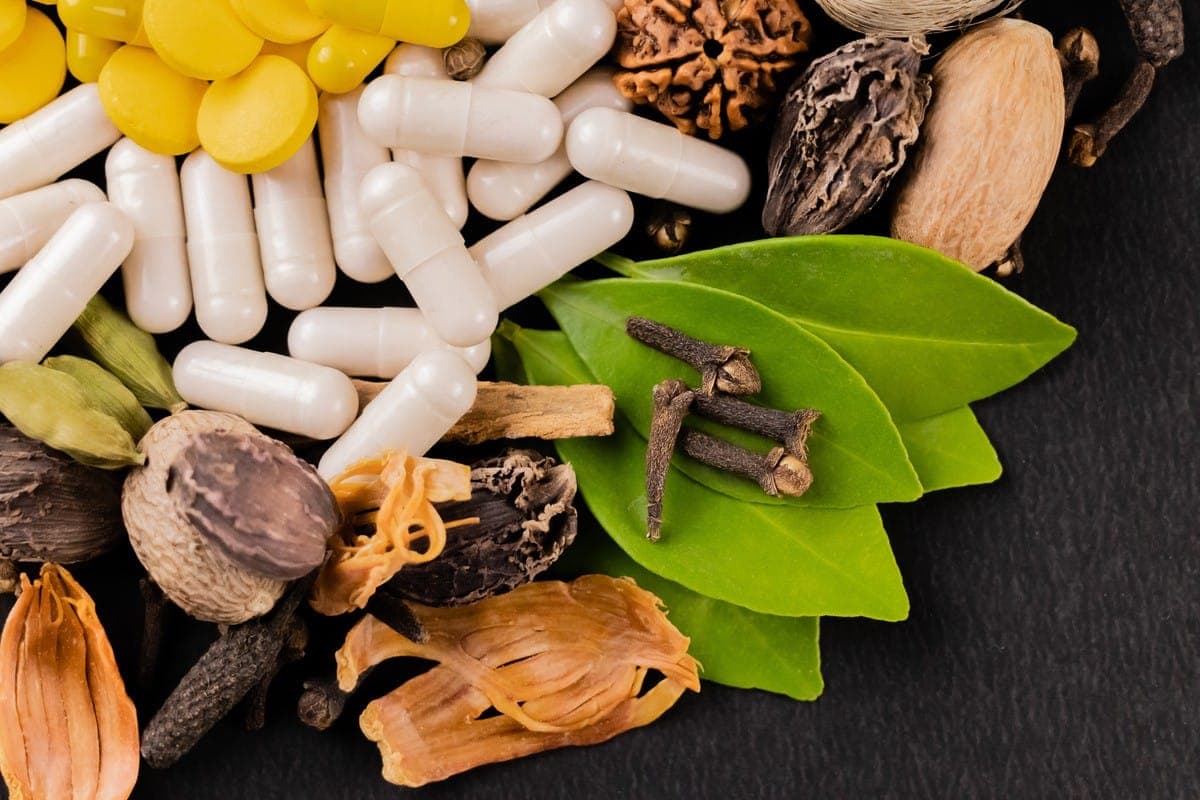
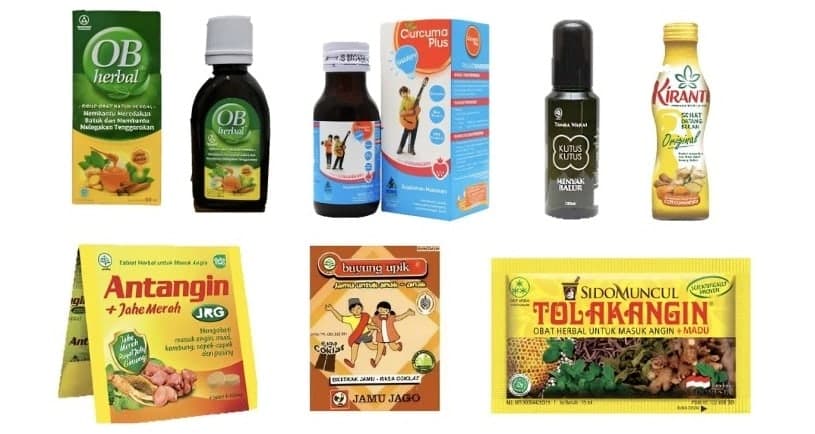
Medicinal plants and bio-based health products
01Medicinal plants and traditional medicine
02Phytopharmaceuticals and biopharmaceuticals
03Nutraceuticals
04Bioactive compounds and natural-based products
Product examples
04
Cluster 04
Cosmetics
Natural ingredients and bio-based cosmetic products
01Natural active ingredients
02Essential oils
03Specialty ingredients
04Natural-based cosmetics
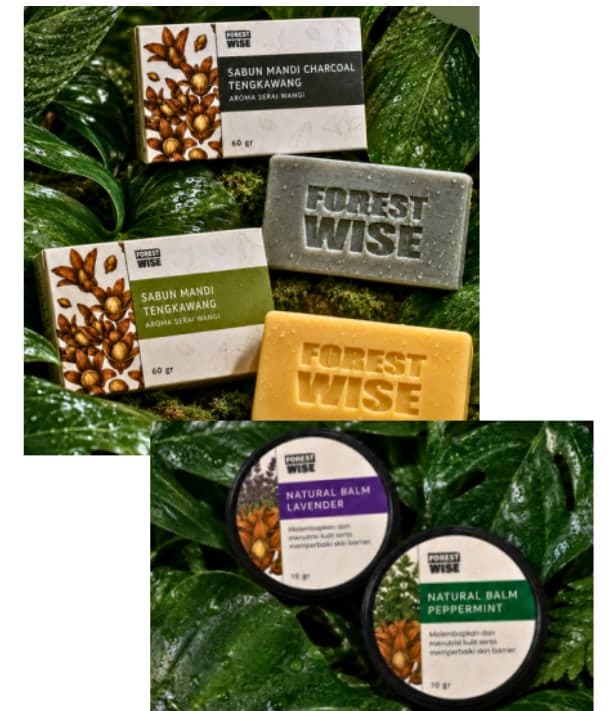
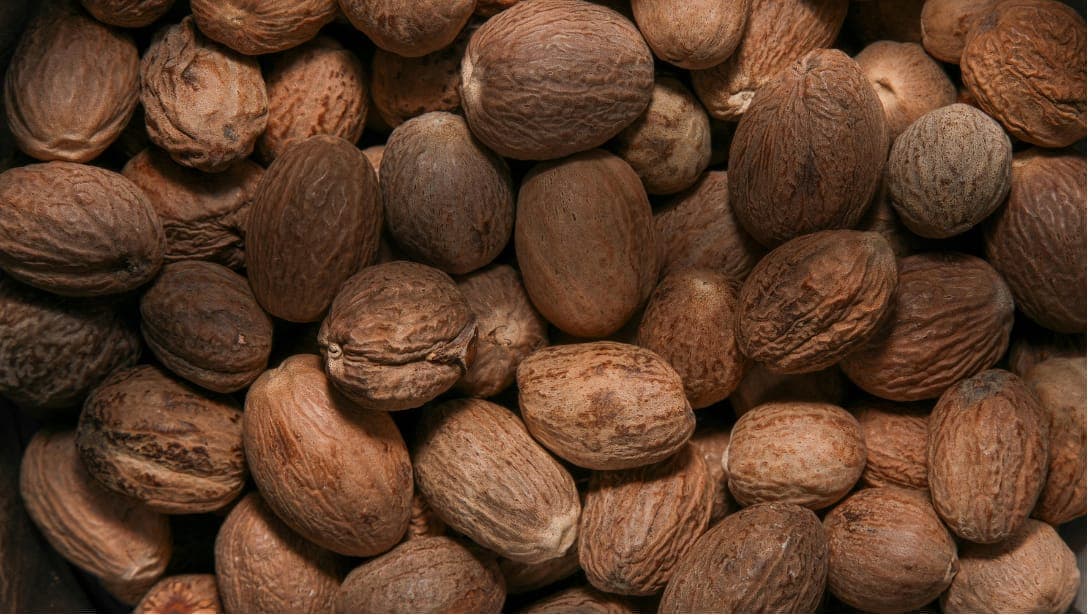
Product examples · Tengkawang products
Priority cluster 05
Environmental Services.
Natural capital as the foundation of a sustainable bioeconomy.
01
Carbon
Carbon markets and carbon credits
Blue carbon
Ecosystem-based approaches for climate mitigation and adaptation
02
Biodiversity
Biodiversity credits
Biodiversity finance
Genetic resources
Habitat and species conservation
03
Water
Payment for Ecosystem Services (PES)
Watershed services
Water quality and water regulation
04
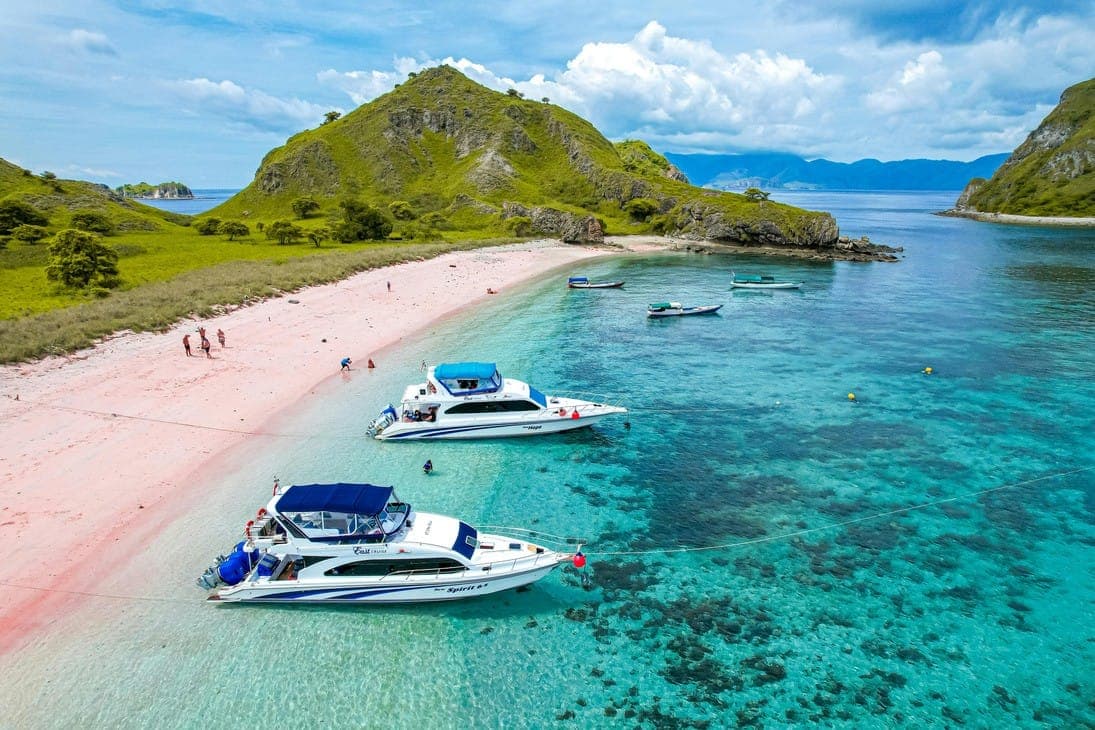
Tourism
Ecotourism
High-value, low-impact tourism
Local livelihood opportunities
05
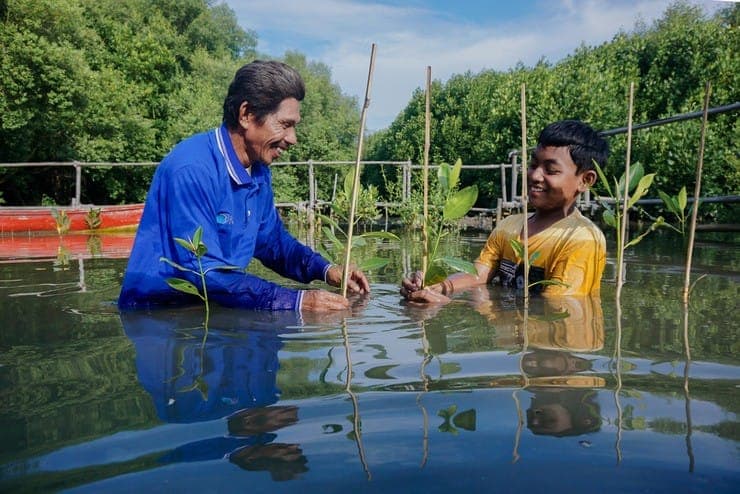
Restoration
Terrestrial and marine ecosystem restoration
Restoration-to-revenue
Rehabilitation of degraded ecosystems
The Potential of Bioeconomy
Modeling the economic, social and environmental gains.
Projections to 2045 under the IBI scenario, compared with business-as-usual (BAU). These are modelled scenarios, not measured outcomes.
+24%
Higher National GDP by 2045 vs BAU
IDR 62,380 trillion vs. IDR 50,2 trillion under BAU.
+40%
Value Added by 2045, from total GDP
IDR 24,945 trillion from bioeconomy contribution (5 cluster).
25,2B TonC
Land carbon stock
25,2b ToC with IBI vs 11b ToC without intervention in 2045.
Nature & Climate
Carbon stock increases with sustainable use and restoration of ecosystems.
Economic Value
Higher GDP and value added through sustainable use of biological resources.
People & Well-being
Fair benefit sharing can increase benefits for farmers and fishers.
Fiscal Value
Bioeconomy can generate higher tax and non-tax revenue potential for the government.
IBI scenario
The model compares outcomes under the IBI scenario with a scenario without intervention.
Zero deforestation
Added value oriented
Restore from government income
Agroforest scenario in rehabilitation
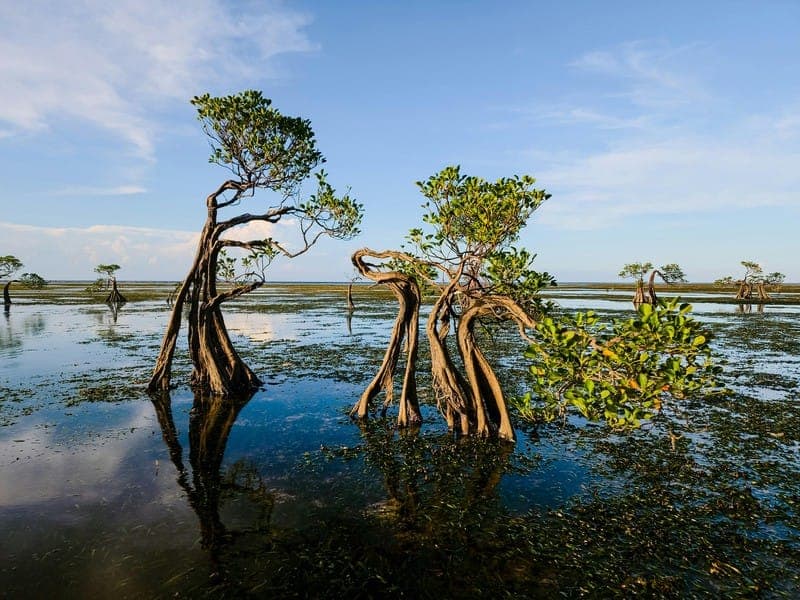
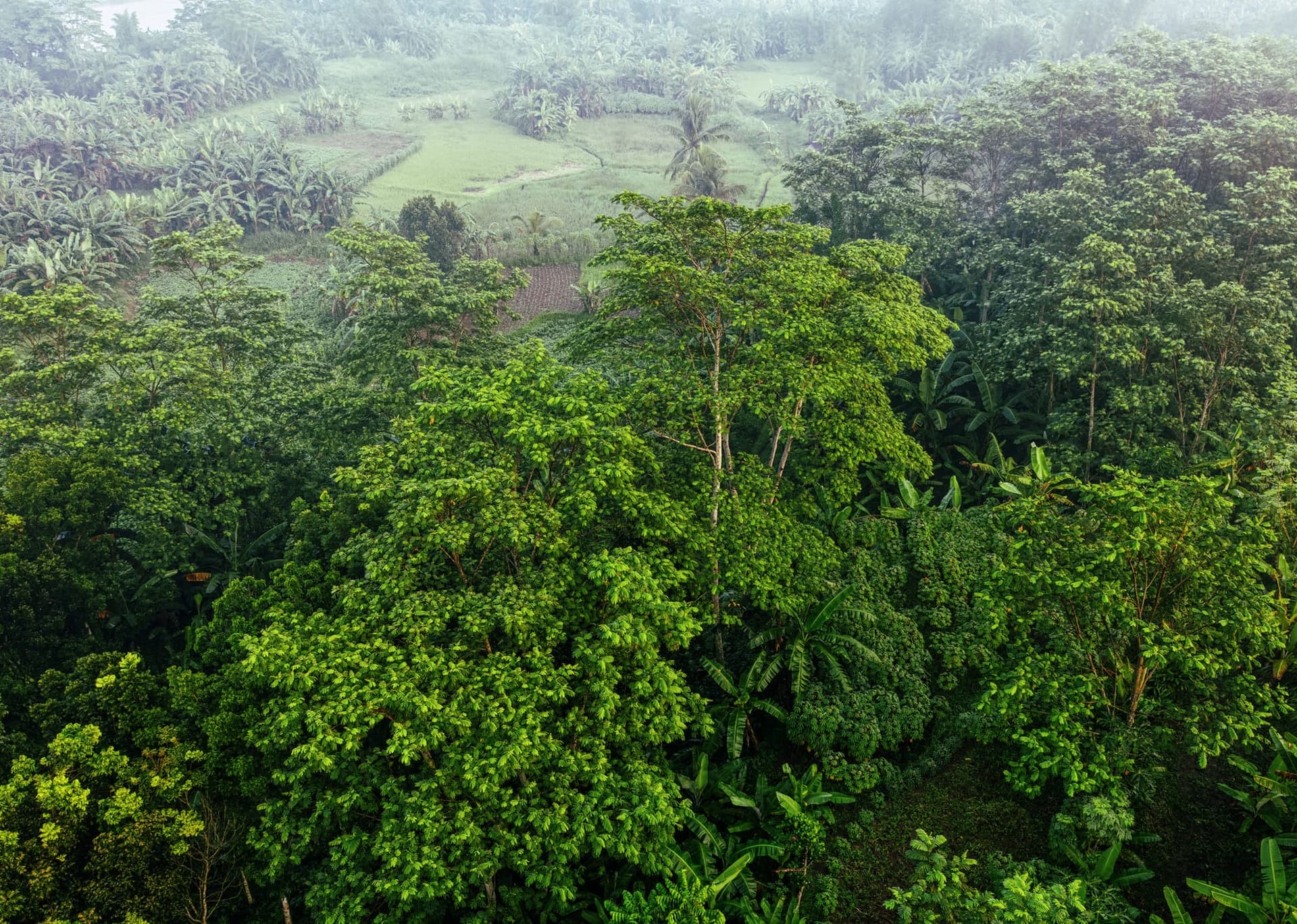
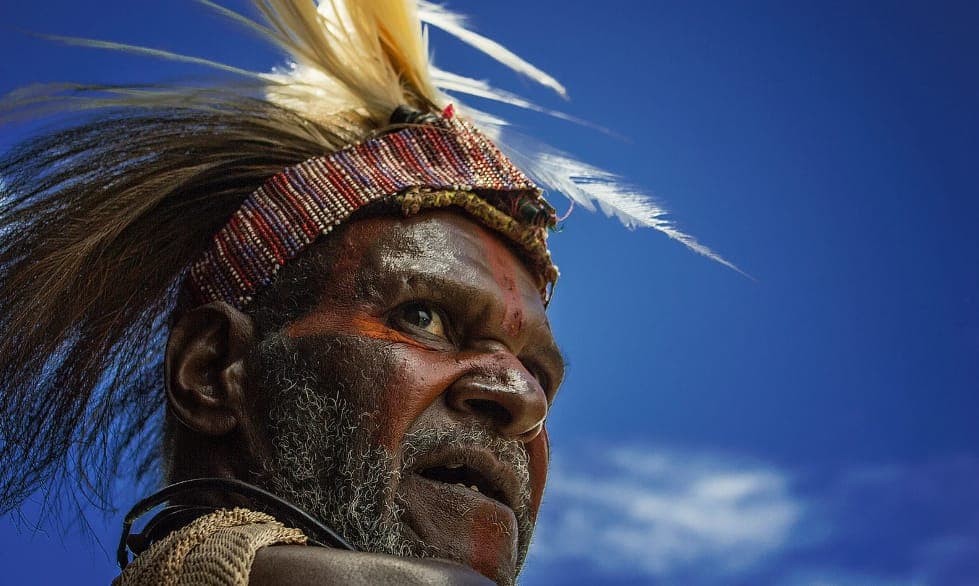
Photo: Atik Sulianami
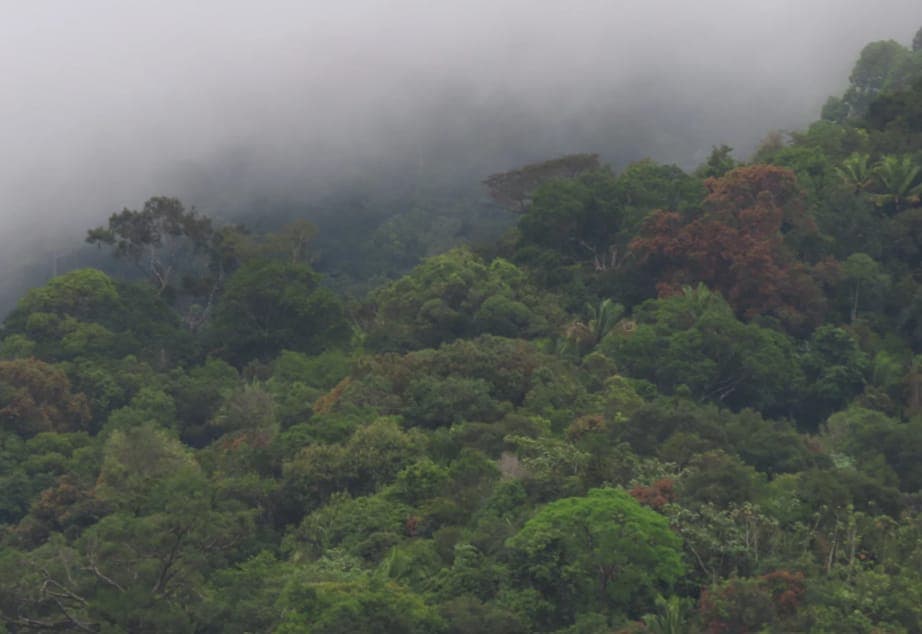
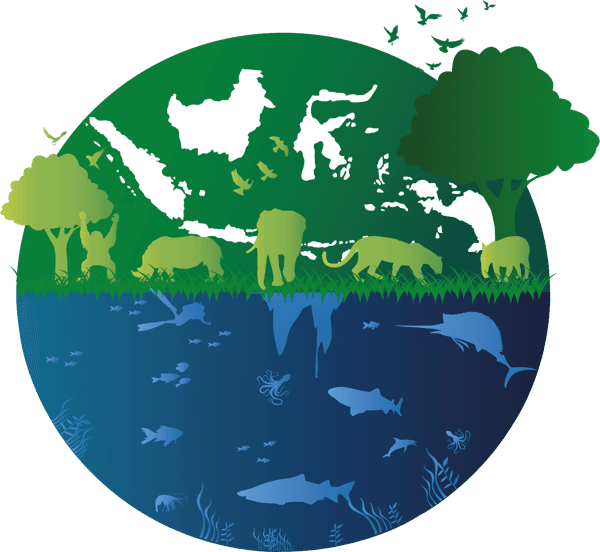
Indonesia’s natural capital
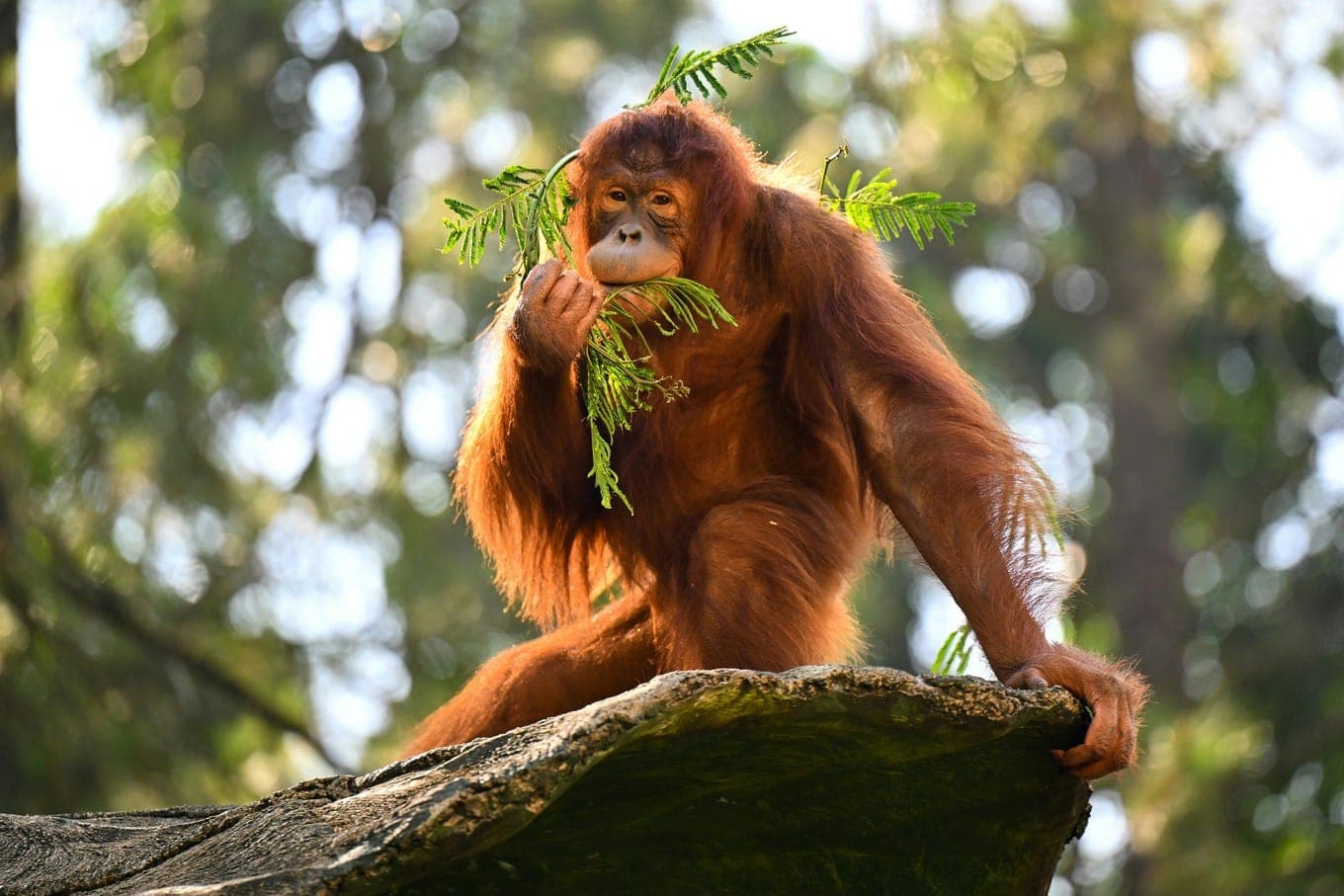
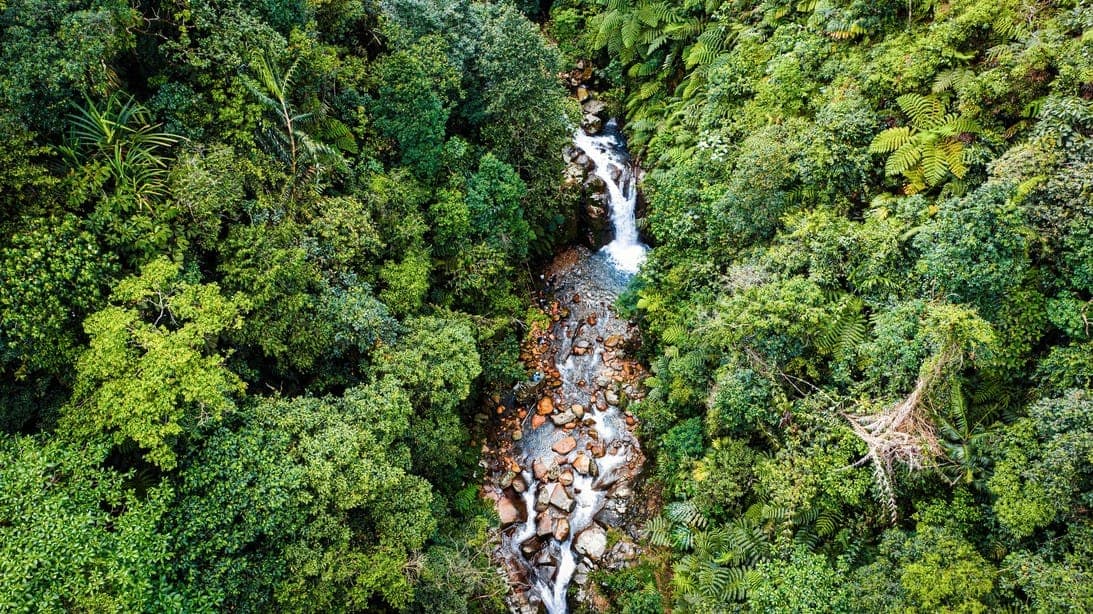
A megabiodiversity country whose potential is not yet fully explored.
Bioeconomy Initiative — Driving Transformation Towards a Sustainable Economy. Definition, values and principles of Indonesia’s bioeconomy, value-chain illustrations, challenges and opportunities, and policy direction.
Kementerian PPN/Bappenas, Jl. Taman Suropati No. 2, Menteng, Jakarta Pusat, or Menara Bappenas, Jl. HR. Rasuna Said Kav. B-2, Kuningan, Jakarta Selatan.
 Bioprospecting
 Production & post-harvest
 Processing
 Logistics & warehousing
 Marketing & commercialisation